Thursday, January 10, 2013

"It is your job to be kind." Notes from Communications Seminar, by Dr. Dana Lewis

Veterinarians: Dana Lewis, Kate Crumley, & Jack Shuler
(not pictured Dr. Richard Kirkman).
Monday, December 3rd, I returned to my alma mater, North Carolina State University College of Veterinary Medicine as a guest speaker on a panel of four vets for the communication class that the students participate in. I was very honored to be invited, as the other panelists were the director for AAHA and also small animal hospital owner (Heartwood Animal Hospital), Dr. Kate Crumley, as well as Dr. Jack Shuler of Chapel Hill Equine Associates and Dr. Richard Kirkman, an equine and bovine practioner from Siler City, all seriously admired and well-known doctors from central NC.

There were 28 students, the majority of which were 3rd year and then a smattering of 1st and 2nd years, plus several professors, technicians, and the grief counselor at the CVM. They had brainstormed up a mess of questions for us to tackle and only 2 hours to try to cover them; they asked about delivering bad news to a client, discussing fees, what interview tips we had for their future positions, and also when they need to hire employees, what tips we had for what we look for in support staff. The time flew by and I had to leave a few minutes early to get my boys at school. There was so much left unsaid, I wish we had more time!

As I left, I thanked them for having me, and told them, “Your two most important appointments with a client are the first and last. If you blow either of those, you will never see those people again. And they will tell everybody how you don’t care. Everything you do in life involves good communication skills; whether that is talking with your spouse, kids, friends, staff, clients, or the gal who made your coffee at Starbucks this morning. It even includes the guy you will accidentally cut off on the way home who will fly you the bird. It’s your job to be kind.”

Read more or contact Dr. Dana:
Dana Lewis, DVM
Lap of Love Veterinary Hospice
Raleigh, North Carolina
drdana@lapoflove.com  |  www.lapoflove.com

Dr. Dana assists families with Pet Hospice and Euthanasia in the Raleigh North Carolina area (Raleigh, Durham, Chapel Hill and the greater Triangle, as well as Wake, Durham, Orange, and Chatham counties.

Tuesday, January 8, 2013

Understanding the Difference Between Vaccination vs. Checking Titers

For years we have been told that our pets need vaccines every year for them to stay healthy. As veterinary medicine progresses we change our views. Today AHAA, American Animal Hospital Association, along with several universities, propose a whole new concept.

Puppies and kittens should be vaccinated with core vaccines (rabies and distemper/parvo for dogs and rabies, distemper and leukemia for cats) beginning at about 8 weeks of age and continuing until 16 weeks of age. The core vaccines are then repeated in one year. After that time, vaccines can be kept to a minimum. Rabies can be given every 3 years, according to state and local laws. The distemper vaccine, for both dogs and cats, can also be given every three years. For some pets, more frequent vaccination may be advised based on risks for exposure. Noncore vaccines such as Lymes disease, Leptosporosis, Influenza and Feline Infectious Peritonitis have specific recommendations on ages to begin and frequency given.

An alternative to some vaccines is titering. Titers test the blood for specific antibodies and determine if your pet is protected from a disease. These titers typically do not give a number or level of protection, only a positive or negative result. A positive titer insures that if exposed, your pet is as protected as it would be if given a vaccine. If the titer is negative, your pet may be at risk if exposed and should be vaccinated. Rabies titering is available but may not be accepted by the State as vaccinated. All pets vaccinated, as recommended, can begin titering after two years of age. Titers are definitely recommended for our senior pets and those that are compromised by illness or prone to vaccine reactions.

By titering our pets we are able to “customize” a protocol for each animal. This allows us, as veterinarians, to keep your pet protected from disease without compromising your pet’s health with over vaccination. Don’t get me wrong, our pets are living longer and healthier because of vaccines and they should continue to be vaccinated appropriately.

Discuss titering with your veterinarian at your next visit. Even if your pet is not due for vaccines this year, an annual exam is still needed. Senior pets should be examined twice a year. We can’t keep them healthy if they don’t come to see us!


Blog Written by:
Holly Kiernicki, DVM
Lap of Love Veterinary Hospice and In Home Euthanasia 
drholly@lapoflove.com

Dr. Holly services the great Dallas, Texas area including: 
~ Frisco ~ Denton ~ Allen ~ Fairview
~ Dallas ~ McKinney ~Celina ~ Little Elm
~ Plano ~ The Colony ~ Carrollton ~ Heath
~ Prosper ~ Richardson ~ Rowlett ~ Wylie
~ Garland ~ Mesquite ~ Rockwall ~ Highland Park

(Blog Posted by Mary Gardner, DVM)

Monday, December 31, 2012

Veterinary Hospice in 2012

We wanted to wish all our friends and followers a Happy New Year.

Lap of Love had a lot happen in 2012 - here is a recap:

It all started in January -  Drs. Dani McVety and Mary Gardner were asked to present the topics of Veterinary Hospice and Euthanasia at the North American Veterinary Conference (NAVC) in Orlando. Their sessions were attended by technicians, practice managers and veterinarians.


We also had the coolest booth in the exhibit hall.


Veterinary Oncologist Dr. Karri Miller joined the team to offer phone consultations to pet parents around the world dealing with cancer.  Learn More    And Jodi Ziskin joined to offer nutritional phone consultations: Learn More

At the start of 2012 - we had 11 locations... but this year we were blessed to find 11 wonderful veterinarians to double the size of Lap of Love and help families in the following locations:

Miami, Florida - Dr. Ursula Dell
Philadelphia, Pennsylvania - Dr. Brad Bates
St. Louis, MO - Dr. Dawnetta Woodruff
Houston, Texas - Drs. Charles Jameson and Cheryl Maguire
Dallas, Texas - Dr. Holly Kiernicki
Boston, Massachusetts - Dr. David Rousseau
St. Augustine, Florida - Dr. Danielle Churchill
Greensboro, North Carolina - Dr. Sara Fletcher
Naples, Florida - Dr. Suzaane Brough
Atlanta, Georgia - Dr. Courtney Culbertson
Annapolis, Maryland - Dr. Melanie Cohen

Two of our veterinarians moved locations.
Dr. Juliana Lyles moved to Chicago, Illinois  & Dr. Nicole Sabo moved to Connecticut.

Twelve additional veterinarians joined in existing areas such as South Florida, Tampa, Knoxville, Orlando, Charlotte and Jacksonville.    We now have 40 of the most compassionate veterinarians helping families in 22 locations and 13 states.  WOW!

We published 60 blog posts (including this one), 5 newsletters and some Lap of Love vets were even interviewed for news stations.
Photo courtesy of Sun Sentinel

Lap of Love also had articles published in veterinary journals and other non-vet magazines - all to help increase the awareness of veterinary hospice and options available.

In November, Drs. Gardner, McVety and Lyles attended the 2nd Annual International Association of Animal Hospice and Palliative Care (IAAHPC) in Denver to learn about new trends in veterinary hospice and share some of their ideas with fellow veterinarians.

We added two wonderful artists to our shopping site that create personalized items to help remember our loved ones:

Tile Art by Paul Gold:  See More


Art Glass by Babs:  See More


A beautiful song was created for us by Zach Ziskin and a video was made for it as well:  Click here to watch.   But have tissues present!   You can also purchase the song for your personal use. Learn More

And lastly - to help families remember their pets, we developed our Pet Memorial site where parents can upload pictures, stories and memorials for their pets plus they can send that to friends and family members so that they can light candles in memory of those pets and post a message.  Learn More

In summary - it has been a year full of new colleagues and FULL of wodnerful, awesome families that love their pets just as much as we do. We have shared tears, stories, smiles, photos, memories and bonds with so many of our clients.  Many people may question how we can do what we do... but I think all of our families know... we have to - there is no other way.

With warm wishes for a wonderful new year.  We will think fondly of those we lost in 2012 and cherish those we still have.

Mary Gardner, DVM
www.lapoflove.com

Here are some favorite pics throughout the year:


Tuesday, December 18, 2012

Cognitive Dysfunction in Pets, by Dr. Cheryl Maguire

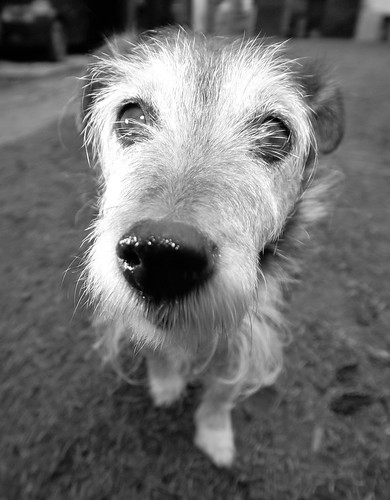
Old Dog's Eyes (Are Sleeping Now)
Photo (c) Pavel Horak
(Click to see original on Flickr)
I must admit that I have a soft spot for senior pets. Nothing is more comfortable or dependable than the relationships we have with the dogs and cats who have shared our lives for years. But as our pets age, we may start to notice things that are concerning to us. At night, our dogs may pace and pant and our cats may howl. Our pets may sleep longer than usual, seem disoriented or disinterested or hide. These behaviors may trouble us but then we may think, “Isn’t this part of the normal aging process?” The answer to that is yes and no.

Like humans, as pets age their senses become diminished and the body slows down as a normal part of the degenerative process but we do not have to sit back idly and accept the changes. Instead, we can help our pets have a better quality of life even as they advance into their golden years. I am going to briefly discuss Cognitive Dysfunction Syndrome as well as touch on some of the many things that can be done to alleviate it.

Cognitive Dysfunction is a syndrome that affects both cats and dogs as they age. The symptoms will vary in degree and form but usually include disorientation, disruption of sleeping patterns, problems with house soiling and changes in appetite and interest in life. Most importantly, other disease processes must first be ruled out and, if needed, treated by your veterinarian since many conditions common in geriatric pets overlap with Cognitive Dysfunction.

Once Cognitive Dysfunction has been identified in your pet and other conditions have been ruled out there are several approaches that can be taken to ameliorate the symptoms. To get the best results you should use several of these suggestions together. But, the first thing is to review what medications your pet is currently receiving with your veterinarian. Some medications such as sedatives, anxiety medications and steroids can actually exacerbate the symptoms of Cognitive Dysfunction. Other medications like non-Steroidal anti-inflammatory (NSAID) drugs can help alleviate them.

Asses your pet’s diet and the quantity of food they are consuming. Research has shown that animals and humans that consume a calorie restricted diet experience fewer problems with senility and Alzheimer’s Disease. On the other hand, a pet that is too thin and not as interested in food as they were in the past may benefit from appetite stimulants. There is at least one commercially made food on the market that is made specifically for older dogs showing symptoms of Cognitive Dysfunction. In general your pet should be fed a low carbohydrate food that contains good quality protein source.

There are many categories of supplements that can be added to the pet’s diet to improve the symptoms seen with Cognitive Dysfunction. Fish oil supplements containing at least 300mg of DHA, CoEnzymeQ10, Gingko, SAMe, as well as vitamin and nutraceutical products made specifically for Cognitive Dysfunction can be administered along with diet changes. Melatonin can be given at night to help with sleep disturbances.

One of the most important aspects of helping senior pets with Cognitive Dysfunction is stimulating their senses and providing daily exercise. Include your senior pet in daily activities as much as they will tolerate. Groom them gently, talk to them, take them on short walks even if it is just around the house or yard. Feed them interesting small meals and allow them to interact with other pets in the home. Bring them out of the closet and out from under the bed or if necessary, bring the family members to them. But, keep these seniors involved with their families and mentally stimulated.

The best way to help your senior pet that is exhibiting symptoms of Cognitive Dysfunction is to visit your veterinarian and discuss the options for your pet’s individual situation. The most successful strategy is to implement as many of the different options available as possible. You should start to see an improvement in your senior pet within two weeks of implementing any of these methods. Some pets respond even sooner. In the very least do not give up hope and accept the negative effects of the aging process without giving some of the options discussed a try.

Tuesday, December 11, 2012

Lap of Love Pet Memorial Site


Lap of Love is proud to announce their new Pet Memorial site to help families honor the lives of those they loved!   The site allows pet parents to submit a memorial about their pet, write a story (like how they got their pet, their favorite things), attach multiple pictures and even send an email to friends and families about the post.  Those people can then submit messages and light virtual candles for that pet.

Here is how it works.

1) Go to www.lapoflove.com

2) In the upper left menu bar - click the tab 'Pet Memorials'

3) Click 'Submit A Memorial' button  (or use the search options to see existing memorials)


4) Fill out the information on the form and hit submit!  Your memorial will be posted immediately and an email will be sent to you and whomever you choose, with a link to your pet's memorial. 

5) People can come to your pet's site and post comments/light a candle.  See Jasper's page below:


If you have any questions - please contact Dr. Mary Gardner at drmary@lapoflove.com


Tuesday, December 4, 2012

Lymphoma by Dr. Dana Lewis

Cancer is a fascinating disease. No, really. It is amazing how our genes can betray us on their own, or due to us abusing them by choice (smoking, sun worshipping, etc.) or inadvertently (all the other stuff our bodies are exposed to). If you want to read an excellent book, I recommend The Emperor of All Maladies, by Siddhartha Mukherjee. It is a biography of cancer and is really amazing.
lymphoma cells in a RBC background
from a bone marrow biopsy.
Source: Nature.com
Lymphoma, also called lymphosarcoma, is a highly malignant tumor of the lymph system. It is the most common form of cancer in both humans and small animals. Dogs, cats, and young ferrets are hard hit by this cancer.

What is Cancer?

We do not know how pets and people get cancer most of the time. Cancer starts with a cell that has mutated due to genes turning on or off, and growth starts to run amok. These cells are being born in our bodies all the time and we have an assortment of mechanisms to destroy them before they get out of hand. Sometimes these cancer cells escape destruction and cancer grows. It begins to divide quickly and without control. The organ where the abnormal cells live may be destroyed as the cancer cells take over. Other tissues may become invaded as the tumor cells grow into them. Cancer cells break away from the primary tumor and travel via blood or lymph vessels to other areas of the body. Wherever these cells lodge, they can start new tumors. This form of cancer spread is called metastasis.

What is the Lymph System?

The lymph system is a network of vessels that intersect with the blood stream and direct foreign material and organisms (bacteria, viruses, etc.) to the lymph nodes that then process this debris. The lymph nodes are full of the cells of the immune system. There are many different types of immune-related cells; some produce antibodies, some circulate and destroy the foreign materials they encounter, some regulate the activity of other cells. Lymphocytes, a type of white blood cell, are the primary cells of the lymph system. The spleen and liver are also heavily involved with the lymph system. Lymphoma can occur anywhere in the body.

What is Lymphoma?

lymphocytes smeared out
from a node aspirate.
Source: BiomedicalCentral.com
When lymphocytes become cancerous within a lymph node, the node swells and hardens. Malignant lymphocytes readily travel through the lymph vessels to nearby lymph nodes. Soon all the nodes are enlarged. Ultimately, the bone marrow where are blood cells are formed becomes obliterated with these abnormal cells, the immune system is destroyed, and severe anemia, organ failure, and/or infection usually claim the victim's life. (Leukemia is another type of white blood cell cancer with circulating blood cells-these can be immature lymphocytes or other white cell lines. Leukemias are usually detected from a blood sample while lymphomas are detected from taking a sample from a node or biopsy of other affected tissues. However, lymphoma is also the most common cancerous cause of hypercalcemia (high blood calcium levels) in dogs, so that may be detected on bloodwork).

Dog with swollen lymph nodes.
Source: NCSU College of Veterinary Medicine
The typical dog lymphoma patient is a middle-aged dog who goes to the veterinarian because one or more lumps have been found. In dogs, the most common lymphoma form is the multicentric form, where all the lymph nodes of the body seem to enlarge at once. Certain breeds of dogs are more likely to develop lymphoma, especially the Golden Retriever, but also the Boxer, Scottish Terrier, Basset Hound, Airedale Terrier, Chow Chow, German Shepherd, Poodle, St. Bernard, Bulldog, Beagle, Rottweiler. While multicentric lymphoma can occur in cats, the most common feline form of lymphoma is currently intestinal. This was not always the case. Years ago, prior to the widespread use of the feline leukemia vaccine, the mediastinal form (a tumor in the chest cavity) was the predominant lymphoma form and the leading cause of lymphoma was the feline leukemia virus. Now the virus has become less common, thanks to more cats living indoors, effective vaccination, and readily available testing procedures. The average intestinal lymphoma patient is an elderly cat with a history of vomiting, diarrhea, weight loss, appetite loss or any combination thereof. A mass may develop with intestinal lymphoma or the tumor may be more infiltrative. A mass can potentially cause obstruction in the intestine and lead to a crisis that must be promptly resolved surgically. Cigarette smoke in the home has been found to double a cat's risk of developing lymphoma.

WITHOUT TREATMENT, ANIMALS WITH LYMPHOMA ARE EXPECTED TO LIVE 4-8 WEEKS FROM THE TIME OF DIAGNOSIS.

Many patients are not feeling particularly sick at the time of diagnosis. It may be tempting to hold off on treatment until the pet seems more ill. Waiting can drastically reduce the chance for long-term survival; better remission quality is obtained if the patient is treated while still feeling healthy.

What is Remission?

Remission is the state in which symptoms have been abated, the tumor cells are undetectable for the moment, and the patient doesn’t appear to have cancer. Prolonged remission is the goal of cancer therapy which, for most lymphoma cases, means chemotherapy. How long a remission lasts depends on what protocol is used and a number of other factors. Numerous protocols are available and there is one to fit every budget and every schedule.

What is Cure?

Cure is the permanent removal of all traces of tumor such that no further treatment is needed. In effect, it is a permanent state of remission. While this is a possibility for your pet, it is more constructive and realistic to focus on increasing quality time. With lymphoma, remission is likely but cure is not.

Chemotherapy

Chemotherapy means therapy using medication (as opposed to surgery or radiation, which can also play a role in lymphoma therapy). The word chemotherapy conjures images of people losing their hair and suffering chronic overwhelming nausea. It is unfortunate that many pets (and probably people, too) do not receive chemotherapy based upon these unpleasant images that poorly represent the current state of treatment. Decades of research has gone into patient comfort, minimizing side effects, and maximizing response. There is a lot of research going on to tailor therapy to the specific genes that are out of control, and several chemotherapeutic agents on the market for other cancers that target specific gene activity, and which greatly minimizes side effects.

Only 7% of pet patients require hospitalization due to side effects of chemotherapy. 75% of lymphoma patients go into remission with chemotherapy protocols beyond prednisone alone. In cats, protocols using multiple drugs yield much better results, but high grade lymphoma, FeLV+ cats, and cats with lymphoma in the kidneys have a poorer response to therapy with median survival of 6-9 months. Low grade intestinal lymphoma cats can live for years while on chemotherapy. The median survival time for most dogs on chemotherapy (again not just prednisone) is approximately one year with 25% of dogs surviving two years. T-cell lymphoma is less responsive to medication than B-cell lymphoma. Luckily, B-cell lymphoma accounts for 75% of canine lymphoma. Several facilities also are doing bone marrow transplants with their chemotherapy dogs who have gone into remission and are appropriate candidates. This can be curative in about 30% of dog patients.

Blog written by:
Dr. Dana Lewis

Posted by Dr. Mary Gardner

Read more or contact Dr. Dana:
Dana Lewis, DVM
Lap of Love Veterinary Hospice
Raleigh, North Carolina
drdana@lapoflove.com  |  www.lapoflove.com

Dr. Dana assists families with Pet Hospice and Euthanasia in the Raleigh North Carolina area (Raleigh, Durham, Chapel Hill and the greater Triangle, as well as Wake, Durham, Orange, and Chatham counties.

Tuesday, November 27, 2012

So, do our pets go to heaven? By Dr. Laura Allison

This question has been pondered by many. An answer never confirmed. The human- animal bond has developed so profoundly that it is no wonder why we seek to find the truth. This question, even if not discussed publicly, weighs heavily on our minds, especially at the moment when we must make the most difficult decision to mercifully let go of our beloved pets.

There is much debate on this topic, whether from a religious perspective or philosophical one. If you ask most pet parents if they believe their pets go to Heaven, the vote is unanimously yes. Ask a theologian, and you may receive a different answer. My perspective is simply this: our pets are sentient beings full of love, what is closer to Heaven than this?

There are many references from people who have had a near death experience. Many report they have seen their beloved pets in the light or on a ladder leading upward toward a light. Hallucination, I think not. It is up to each of us to make our own decision.

Below are excerpts from the book, Beyond the Light, which documents such experiences. Copyright Beyond the Light, originally in hardcover, Birch Lane Press, New York City (reprinted as a paperback through Avon Books, New York City, 1995 - ISBN: 0-380-72540-1).

I found that both adults and children occasionally report being greeted on The Other Side by animals, especially if favored pets have previously died. But it is the children who describe an animal heaven, some even insisting that they must go through it before they can reach the Heaven where people are. Adult cases can be equally compelling.

Several years before his death, Bryce Bond, a famous New York City media personality turned parapsychologist, shared with me the story of what happened to him when he once collapsed after a violent allergic reaction to pine nuts and was rushed to a hospital. He remembered suddenly passing through a long tunnel toward a brilliant light, and then (pages 13-14, paperback version, "BEYOND THE LIGHT"):
"I hear a bark, and racing toward me is a dog I once had, a black poodle named Pepe. When I see him, I feel an emotional floodgate open. Tears fill my eyes. He jumps into my arms, licking my face. As I hold him, he is real, more real than I had ever experienced him. I can smell him, feel him, hear his breathing, and sense his great joy at being with me again.
"I feel the presence of my dog around me as I ponder those two questions. Then I hear barking, and other dogs appear I once had. “
The following near-death experience appears in P.M.H. Atwater's book, Childrenof the New Millennium (now out of print - see The New Children and Near-Death

“From the light came two dogs of mine. One was a collie named Mimi who had died three years previously from an infection, and the other was a boxer named Sam who had died two years before after being hit by a car. The dogs came running and jumped on me and kissed my face with their tongues. Their tongues weren't wet, and I felt no weight when they jumped on me. The dogs seemed to glow from a light that was inside them. “

Looking to the spiritual, below are verses found in the Bible that may make the case.

The Old Testament:
Ecclesiastes 3:18-21: “As for humans, God tests them so that they may see that they are like the animals. Surely the fate of human beings is like that of the animals; the same fate awaits them both: As one dies, so dies the other. All have the same breath (literally “spirit“); humans have no advantage over animals. Everything is meaningless. All go to the same place; all come from dust, and to dust all return. Who knows if the human spirit rises upward and if the spirit of the animal goes down into the earth?”

Genesis 9:9-10: “I now establish my covenant with you and with your descendants after you; and with every living creature that was with you—the birds, the livestock and all the wild animals, all those that came out of the ark with you—every living creature on earth.”

Genesis 9:16: “Whenever the rainbow appears in the clouds, I will see it and remember the everlasting covenant between God and all living creatures of every kind on the earth.”

Hosea 2:18: “In that day I will make a covenant for them with the beasts of the field, the birds in the sky and the creatures that move along the ground. Bow and sword and battle will abolish from the land, so that all may lie down in safety.” 
The New Testament:
Luke 3:6: "all flesh will see the salvation of God."

Luke 12:6: “Are not five sparrows sold for two pennies? Yet not one of them is forgotten by God.”

Revelation 5:13: "Then I heard every creature in heaven and on earth and under the earth and on the sea, and all that is in them, singing: 'To him who sits on the throne and to the Lamb be praise and honor and glory and power, forever and ever!' "
Regardless of one’s faith, most of us would agree that we will see our pets again. With all that our pets give us in a lifetime; friendship, unconditional love and devotion, surely they will live on long after they have left us.

Blog by Dr. Laura Allison

Posted by Dr. Mary Gardner

Read more or contact Dr. Allison:
Laura Allison, DVM
Lap of Love Veterinary Hospice
(954) 778-8908
Pompano Beach, FL
drallison@lapoflove.com  |  www.lapoflove.com

Dr. Allison services Broward County, including Pompano Beach, Lighthouse Point, Hillsboro Beach, Deerfield Beach, Coconut Creek, Oakland Park, Wilton Manors, Coral Springs, Tamarac, Plantation, Sunrise, Lauderhill, Oakland Park, Ft. Lauderdale, Aventura, Miramar, Hollywood, Davie, Pembroke Pines, Cooper City, and Weston.