Thursday, December 12, 2013

The Look


I often get The Look when friends and family come over to our house.  They look at Smudge struggle to rise from her relaxed recumbency, watch her walk straight legged as she makes her way to the door, then wag her tail when they give her a pat hello.  “Awwwww, poor thing” is often the next thing that squeaks out of their mouth.

Poor Smudge.  The thing is, I don’t look at her that way.  Does she look like the robust, beautiful Berner she did when she was 7 years old?  Heck, no!  Smudge has basically doubled the average life expectancy of a Bernese Mountain Dog, and lost the equivalent of a medium sized dog in weight and muscle mass.  Sarcopenia, the dreaded common side effect of growing old.  Old dogs are not pretty.  They are lumpy, skinny and sometimes stiff.  They often have accidents in the house.  They are not steady on their feet and they can seem spacey due to some degree of doggy dementia.  Our almost 14 year old Smudge has all of the above.

Is it time to say good bye?  Give her the blue juice and free her of her mostly broken body?  I don’t think so.  Am I wearing denial goggles?  I hope not.

When clients are stuck in this same grey zone of not wanting to say goodbye too early and not waiting until it becomes too late, we discuss and fill out a quality of life scale.  Although it doesn’t sit exactly right that I am discussing the life of a much loved pet and reducing that life into a number in each category from 0 (very low) to 5 (normal), it does seem to be a very helpful exercise for pet parents.  It helps to put things in perspective.  

Smudge’s appetite...5, breathing difficulties...5,  gives love/takes love...5, accidents in the house...2, mobility...2-3, and the list goes on.  I often find owners can get through this questionnaire with dry eyes until I ask them, “Do you think your dog is happy?” Tears begin to flow.  They reminisce about chasing balls in the park, swimming off the boat in the summer time, frolicking in the snow, or rolling over for belly rubs.  When your dog stops doing their favorite things, it can be a clue that they are not happy and no longer have joy in their life.   Smudge typically scores between a 70-75%.  Still quite good, but this high score doesn't come easily.  She is on 6 different medications to treat her pain, hypothyroidism and cognitive dysfunction. I massage her every night, she has had several chiropractic sessions and she just had her first session of acupuncture.  She has a special harness for times when she needs extra support.  She needs help getting up the 2 steps from our back deck into our house.  Our entire main floor is covered in criss cross runway of yoga mats for her so she doesn't splay out on her back legs and her food and water bowl are now elevated to prevent her neck from stretching down too far to the ground.  Did I mention she has fecal incontinence?  After a lifetime of no messes in the house, Smudge can’t control her bowel movements.  Waking up to an aromatic fragrance is now the norm in our house.  

In 2001, early on in our marriage, I surprised my husband with a big furball that came to be known as Smudge.  When we looked at her nose, it looked like someone took their thumb and smeared the blackness, as if it was smudged.  We always knew a dog was going to be our first (fur) baby and she would help prepare us for the commitment we would eventually make in having our own children. Smudge proved to be a gentle giant with the patience of a saint in her role as playmate for our kids and all other children.  She has continued to be an integral part of our family.

 She has had a wonderful life.  Being loved and loving us in return.  She deserves a beautiful death.  And when we determine it is time for her to leave her failing body, she will leave this world, in her home, surrounded by her family as we shower her with kisses and words of love. If this happens to fall on a warm day, my 9 year old son has decided we should bring snow from the local hockey arena for her to lie on.  One of her favourite things. She will feel no stress or anxiety in her final moments, as euthanasia, by my hand, ensures she will pass peacefully and painlessly.  That is what she deserves as she heads for the snow covered Swiss mountains in the sky. So the next time you see Smudge, instead of saying “poor Smudge,” perhaps give her a pat and say “ lucky Smudge.”

Smudge making a snow angel! 


Dr. Faith Banks is a dear friend of Dr. Mary Gardner and Dr. Dani McVety - she offers end of life care to families in Toronto Canada.


Dr. Faith Banks, DVM
Midtown Mobile Veterinary Services
416-817-3572


Tuesday, December 10, 2013

Care and Nutrition of Guinea Pigs, by Dr. Michelle Bellville

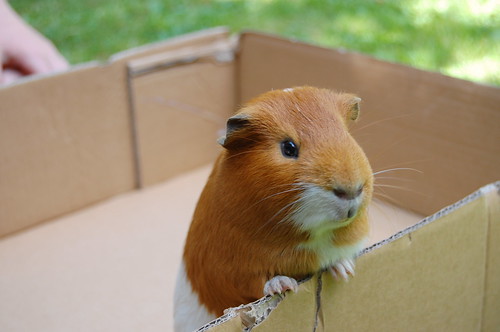
Guinea Pig
Photo by Izzie Atkinson
Guinea pigs, also known as Cavies (singular Cavy) are affectionate, lively, and responsive little creatures. They make excellent pets since they are gentle and if handled frequently while they are young, rarely scratch or bite.  They originate from South America like another popular pocket pet, the Chinchilla.  Guinea pigs are “monogastric” herbivores, meaning that they have one stomach (unlike the cow that has a multiple or compartmented stomach) and eat plant-based foods.  A happy, healthy guinea pig can live up to 4-8 years as a pet, 5 years being the average.  They make the coolest sounds, and their calls have names: chutt, chutter, whine, tweet, whistle, purr, drr, scream, squeal, chirp, and grunt!

Guinea pigs do best on a solid bottom cage, but beware they can make quite a mess of their surroundings! Clean up their food bowls daily and check the patency of their water bottle too – your guinea pig may have shot a food slurry into the tube of their sipper bottle!

Just like rabbits, guinea pigs are “hindgut fermenters,” meaning that they break down their food in the last portion of their intestines (versus cows that ferment in their “foregut” or stomach).  To then get these nutrients absorbed, guinea pigs and rabbits are coprophagic – they ingest their own feces.  Gross, I know, but it is very important to their overall health!  This is more problematic for obese guinea pigs, especially ones kept in a wire bottom cage: obese guinea pigs are unable to catch these nutritious fecal pellets from their anus, which then drops through the wire, and the guinea pigs are unable to stay properly nourished.

Unlike rabbits, guinea pigs have a dietary need for Vitamin C, as they cannot produce it on their own. Unfortunately, Vitamin C is not stable for long in foods or water, so a fresh source of Vitamin C must be given daily. The easiest thing to give them is a Vitamin C containing fruit or veggie daily such as red or green peppers, cabbage, broccoli, tomato, kiwi, or a few wedges of an orange.  You can also add Vitamin C to their water source, but make sure to change it daily.  Vitamin C deficiency is a very common and very serious disease that can easily be fatal!

Guinea pigs learn what foods they like very early in life, so get your guinea pig used to different guinea pig chows and vegetables so they are not weary of variety. Guinea pigs should eat guinea pig pellets and grass hay, supplemented with fresh veggies. Good quality grass hay should be available at all times. Depending on the age, lifestyle, and weight of your guinea pig your veterinarian may recommend that pellets are offered in limited quantity or that they are offered free choice. Veggies can be offered in small handfuls, and leafy greens are the best to offer. Treats such as fruits or other marketed snacks are unnecessary, but if you choose to use them, offer only very small amounts (one treat per day) or use a special veggie as a treat!

Remember that just like any pet, guinea pigs should see their exotic animal veterinarian at least once yearly for a physical exam, a fecal exam, and likely bloodwork as your guinea pig gets older.  Check out Oxbow Animal Health for more info on how to care for your guinea pig, as well as a great place to get the good quality hay and pellets they need!

Written by Dr. Michelle Bellville

Read more or contact Dr. Michelle:
Dr. Michelle Bellville
www.lapoflove.com
Orlando@LapofLove.com
(407) 487-4445

Dr. Bellville assists families in the Orlando Florida area with In Home Hospice and Euthanasia. She is also available to assist families with 'exotic' species like birds, hamsters, rabbits, etc with all end of like care.  

Tuesday, December 3, 2013

How to Talk With Your Veterinarian, by Dr. Anthony J. Smith

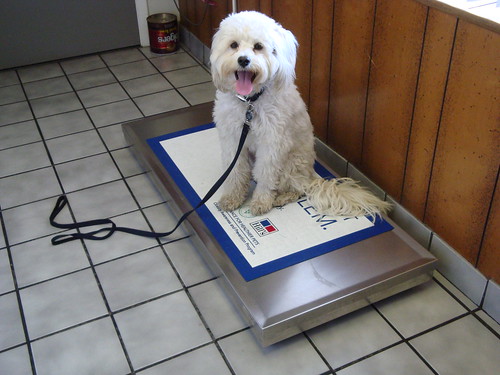
Corky Posing on Vet Scale
Photo by Jim Degerstrom
Providing the best medical care for your pet throughout his or her life requires a good relationship with your veterinarian. As in all relationships, good communication is important to establishing the mutual trust and respect necessary to work together ensuring your pet’s health. Here are a few tips that can help support a good rapport with your pet’s doctor.

Do

· Discuss financial concerns up front. Be frank about your limits and request an estimate of costs. Ask your veterinarian to keep you updated about any necessary changes from the original plan.

· Ask questions if you don't understand a treatment plan, medication, diagnostic tests/results, medical measurements, etc. Ask for an explanation – your vet wants you to be an informed pet parent.

· Be honest and share your true concerns, especially about complying with treatments. If you aren’t able to give a medication as often as needed, or if you can’t afford a particular treatment, it is better to let the vet know that, than to keep it hidden. Alternatives are often available, but if your vet doesn’t know that you’re having a problem, it can’t be addressed.

· Keep clear records about your pet’s illness. Keep a log of symptoms, jot down anything unusual that happens, and take it with you when you have an appointment.

· Recognize that a veterinary practice may be a very busy place. Go into the appointment with a list of your concerns, so that you can be sure that they are all addressed in a timely manner. If you have a lot to cover, ask the receptionist if you can make an appointment during a less busy time, or if they have “extended exams” for complicated situations.

· Ask for a second opinion or referral to a specialist, if desired or appropriate.. Your veterinarian is a professional who should be happy to give you a referral and provide another veterinarian with your pet’s medical records.

Don’t:

· Wait to report changes in your pet’s appearance or behavior, or wait until the last minute to try to schedule an appointment.

· Stop or adjust medications because your pet is not responding the way you expect. Instead, call your veterinarian to discuss it.

· Disregard instructions such as follow-up visits, exercise restriction, or diet changes. If you have concerns, discuss them during the appointment or with a follow up call.

· Get angry if things aren’t going the way that you expected. Take a breath (or ten) and calmly express your worries and why you have them. Give your vet a chance to address your concerns.

Finally, if you appreciate your vet and their staff, tell them so. Thankfulness and a little kindness can go a very long way.

Written by Dr. Anthony J. Smith

Read more or contact Dr. Anthony:
Anthony J. Smith, DVM
Lap of Love Veterinary Hospice
San Francisco, CA
(510) 463-1664
SFBayArea@lapoflove.com  |  www.lapoflove.com

Dr. Anthony provides regular service to clients in the San Francisco East Bay Area (See Below for detailed cities listing). Service to other Bay Area Communities (Marin, San Francisco, San Mateo, Napa, and Santa Clara Counties) may be available on a limited basis, with additional charges for travel. Please call or e-mail for more information. For clients living outside of these areas, telephone consultations are also available.

Regular Service Area (no additional fee for travel):
  • Alameda County: Alameda, Albany, Berkeley, Emeryville, Oakland, Piedmont
  • Contra Costa: Alamo, Concord, Crockett, El Cerrito, El Sobrante, Hercules, Kensington, Lafayette, Martinez, Moraga, Orinda, Pacheco, Pinole, Pittsburg, Pleasant Hill, Richmond, Rodeo, San Pablo, Walnut Creek
  • Solano County: Benicia, Fairfield, Vallejo
 Extended Service Area (with additional fee for travel):
  • Alameda County: Castro Valley, Dublin, Fremont, Hayward, Livermore, Newark, Pleasanton, San Leandro, San Ramon, Union City
  • Contra Costa: Antioch, Brentwood, Clayton, Danville, Oakley
  • San Francisco/Daly City
  • Marin County: Corte Madera, Fairfax, Mill Valley, Larkspur/Greenbrae, Novato, San Anselmo, San Rafael

Tuesday, November 26, 2013

Degenerative Myelopathy, Dr. Brad Bates

Introduction

If you are familiar with large breed dogs, you probably heard about their predisposition for hip dysplasia. Although this is common in larger dogs especially, Degenerative Myelopathy (DM) is another disorder that affects mobility and quality of life in these breeds. In early reports, most dogs affected with DM were German Shepherds, but many breeds can also be affected by DM.

DM is also known as Chronic Degenerative Radiculomylopathy. We do not understand the disease completely, but we know in part that it is a genetic disease, so it can be passed down to future generations. DNA mutation in a gene called superoxide dismutase 1 (SOD1) has been discovered as the underlying defect. Before the gene mutation was discovered, nutritional and immune factors were also suggested as possible causes of DM. The mutation causes a defect in muscle energy production (by the cell mitochondria), leading to premature cell death (apoptosis). The gross changes seen in the dog is the end result of this cellular death.

Some breeds may have variants where other genes are affected or involved, and the disease does still appear to be multifactorial, in that environmental factors or other genes are likely involved in the disease onset and progression.

What is DM?

DM is a progressive and debilitating neurologic disease that affects the spinal cord. It is characterized by loss of function to the hind legs leading to weakness and incoordination, with eventual paralysis. Some dogs will lose control of their bladder and bowel movements as the disease progresses. The rate of progression of the disease is different for every dog. Most affected dogs are eventually euthanized due to the disability between 6-12 months from diagnosis.

The disease can occur in any aged dog, but is most common in older dogs.  The spinal cord degeneration occurs slowly, and initially may appear similar to symptoms associated with hip dysplasia and arthritis. One of the first signs noticed is difficulty standing up on the hind legs. Uncoordinated movement is also seen, often exacerbated when the dog walks on smooth, slippery surfaces. As the disease progresses, the dog becomes even more uncoordinated and will scuff or drag the rear paws, causing excessive wearing of the nails. The rear legs may also crisscross when the dog stands and/or walks. Muscles of the hind legs will eventually waste away leading to further difficulties. Sometimes one leg is more noticeably uncoordinated than the other, and the disease can wax and wane episodically, or just progress steadily. It usually takes several months to a year after onset of signs for a dog to become unable to walk.  Unfortunately, as the disease progresses, the front legs may also become weak.

Diagnosis

A veterinarian who suspects DM will perform a series of orthopedic and neurologic tests during the examination. One test is called conscious proprioception (CP). CP is the awareness for the placement of one’s legs. Loss of CP ability to the hind legs is a classic sign for loss of neurologic function and is ONE classic sign of DM. Severe arthritis can also mimic this sign, so a veterinarian should perform the examination. DM to some degree is a diagnosis of exclusion. A veterinarian must rule out other causes of limping and weakness such as hip dysplasia and arthritis, ligament injury at the knee, nerve compression (intervertebral disc disease, lumbosacral stenosis/cauda equine syndrome, etc), as well as tumors/cancers that can also affect the spinal cord. Sometimes, the only way to determine the underlying cause is to have an MRI or other imaging procedure performed. X-rays can be used to rule out obvious bony tumors of the spinal column and displacement or fractures of the vertebral column, but will unfortunately often miss spinal cord tumors and clots that can affect blood flow to the spinal cord. MRI can rule out concurrent diseases that may actually be treatable, such as spinal cord compression from intervertebral disc disease.
Unfortunately, definitive diagnosis of DM can only be made after death by looking at biopsies from the spinal cord.

DNA testing for the mutation is possible through the Orthopedic Foundation for Animals (OFA).  The test may be performed on any breed dog but is most validated for certain breeds, including German Shepherds. The test identifies dogs that do not have the mutation, carriers that have one normal copy and one mutated copy of the gene, and dogs with 2 mutated copies making them at higher risk for developing DM. It is important to note that there are studies that include dogs with 2 mutated copies and no clinical signs, but it is unclear if they will develop DM as they age. Also, early studies revealed disease only in dogs carrying 2 abnormal copies of the gene, with carriers not showing clinical signs but this does not seem to be true as a generalization. This is why the disease is likely multifactorial and may involve other genes depending on the specific dog.

Treatment and Management

Unfortunately, no treatment has been shown to reverse the signs or treat the disease. Supportive treatment can help, and dogs with DM can be managed with appropriate care until the disease progresses to the point when there is significant debilitation. Exercises such as walking and swimming should be encouraged and do help by promoting the maintenance of muscle mass. Seeking the help of a veterinary physical therapist can have a profound effect on the quality of life of the dog. A combination of range of motion exercises, strength building exercises such as water therapy, and massage can have profound effects on the mobility of patients with DM. Acupuncture and electroacupunture have also been used with varying success. In one study of dogs with DM, dogs that received intensive physical therapy had longer survival times compared with dogs that received moderate physical therapy. Dogs receiving no physical therapy survived about 25% as long as the group receiving intensive physical therapy. Studies to date that have evaluated other treatments (including use of steroids and supplements/vitamins) along with exercise have failed to show benefit over intensive physical therapy and exercise alone. It is important to note that vitamins and supplements often are very expensive and can affect the ability to provide physical therapy if finances are limited. Some medications and supplements used include antioxidants such as N-acetylcysteine, SAMe, Coenzyme Q10, SOD (superoxide dismutase), vitamins E and C, and selenium, along with vitamin B, L-carnitine, fish oils and steroids. More studies are needed to see which of these can be helpful and at what doses.

It is also important to note that arthritis from a number of underlying conditions is very common in dogs with DM due to their advanced age and breed, so a number of these supplements and medications can provide relief and improved quality of life irrespective of the changes associated with DM.

Can DM be prevented?

Responsible breeding can be used to help prevent the progression of DM. Dogs that are predisposed to DM that are planned for breeding could be tested prior to breeding and the results could be used with other determinants to figure out which dogs should be left out of the breeding program and which dogs should be used on a more limited basis. For example, a carrier dog showing exceptional qualities in other characteristics for the breed can be mated with an equally impressive dog that is negative for both copies of the gene. It is important to note that other factors are involved and there are reports of dogs that are not carrying both abnormal copies of the gene showing signs of DM and those with both abnormal copies showing no signs of DM. A breeding program should involve many factors, but testing can potentially help decrease the prevalence of DM. If you plan to get a purebred puppy of an affected breed, you should ask the breeder about the history of DM in the puppy’s lineage and ask if testing for DM has been performed. It is very important to understand that clinical signs do not develop until long after sexual maturity.

Quality of Life:

Once the dog reaches the non-ambulatory state, pressure sores, urine leaking/scalding, and loss of bowel control are likely to develop rapidly. Dogs at this state must be kept clean and dry and have access to clean bedding. Close attention should be made to daily eliminations. Quality of life is often greatly diminished at this point, even if carts are used for ambulation. The difficulty in providing care to these dogs must be taken into account as well when deciding on end-of-life decision making. If the appropriate care is not feasible, it is often in the best interest of the dog to consider humane euthanasia, or at the least starting up conversation with a veterinarian about humane euthanasia and quality of life.

Long before the non-ambulatory state is reached, quality of life is often of concern for the dog (as well as for the owner). Determining quality of life is often difficult with DM. Since the disease progresses slowly, it’s often difficult to assess the daily declines seen with DM. Additionally, the disease process is not painful, although many of these dogs suffer from hip, knee and/or spinal arthritis and loss of muscle along with potential trauma from falling can exacerbate these painful conditions. Often writing notes daily and reviewing them weekly will help. Notes should include information on the dog’s ability to ambulate, any falls or significant changes in mobility that are seen, other quality of life changes such as poor appetite and lack of interest in routine activities. Pain from other conditions such as arthritis and hip dysplasia should also be taken into account and documented. It is very important to consider the ability of the household to provide adequate care to dogs affected by DM- in some households there is always someone home to provide care and in some households finances are not significantly limiting. This is not true for your average household. There is often guilt felt by owners of dogs with DM. There should be no guilt, as we can only provide care up to our available resources (time, finances, etc). Our finances and daily responsibilities often hold us back from doing what we would like, but this should not raise feelings of guilt. With all the difficulties in caring for dogs with DM, we must stay focused on the things we can control and focus on quality of life that the individual family can provide to their dog. Speaking with your veterinarian can be helpful in determining quality of life and to aid in providing for the best care possible for your dog.

Lap of Love provides a quality of life tool that can be quite helpful and can be used over time to decide what is best for your pet. Please follow this link to connect to the hospice journal and quality of life scale: http://www.pethospicejournal.com.

Written by Brad Bates, DVM

Read more or contact Dr. Bates:
Brad Bates, DVM DABVP
Lap of Love Veterinary Hospice
Philadelphia, PA
drbrad@lapoflove.com  |  www.lapoflove.com
(267) 317-8110

Dr. Bates services the Greater Philadelphia area with providing families with in home hospice and euthanasia options. (All areas around Philly including Rittenhouse, Center City, Art Museum, Queen village, Washington Square, Graduate Hospital, Society Hill, Italian Market, Logan Square, Bella Vista, Old City, West Philadelphia, South Philadelphia, University City, Fishtown, Northern liberties, Fairmount, Manayunk, Conshohocken, Roxborough, Drexel Hill, Media, Villanova, Swarthmore, New Hope, Langhorne, Bryn Mawr, and Gladwyne).

Tuesday, November 19, 2013

Anesthetic or Non anesthetic Dentals: Which is right for my pet? By Dr. Holly Kiernicki

Veterinary medicine changes rapidly to meet the needs of our patients and clients.  Traditionally, a dental cleaning was a day long procedure followed by an evening of grogginess.  Over the past few years another option has presented itself and has proven to be useful in the dental health of our pets.

The Gold Standard for dental cleaning is still done under anesthesia.  This allows the entire mouth to be examined, probed and charted along with a full set of oral radiographs to look for disease hidden under the gums.  There are numerous lesions that just cannot be seen in an awake patient.  As most pets do not appreciate the need for a good oral exam, anesthesia is required to determine the extent of the dental disease.  

Pre-anesthetic bloodwork, IV fluids and monitoring that rivals a human hospital are all precautions taken to make this procedure as safe as possible.  The anesthetic risk is no greater for an older pet than for a younger one.  The anesthetic protocol can be customized to each patient.  This allows a quick induction, smooth recovery and less of a “hangover” later in the evening.  Although it’s a long day, for both the patient and the owner, a good anesthetic dental cleaning leads to a healthy mouth and, in most cases, a much more comfortable pet.

The newer option is a non-anesthetic dental.  It is the same dental scale and polish minus the anesthesia.  There are several companies like Animal Dental Care that provide dental cleaning under the supervision of your veterinarian.  This option is only for those with very mild tartar and no dental disease and for those pets that are at a high anesthetic risk.  Pets with several cardiac disease can have a dental cleaning without the risk and help keep the tartar buildup and infection at a minimum.  We must keep in mind that although this is an excellent option, disease under the gum line and at the roots can be missed.

It is up to us to keep our pet’s mouth health.  Discuss your options with your veterinarian to thwart the dreaded “doggy breath!”

Article Written by Holly Kiernicki, DVM

Dr. Holly Kiernicki
Lap of Love Veterinary Hospice
(972) 843-1186
drholly@lapoflove.com

Dr. Holly services the greater Dallas, Texas area including:
~ Frisco ~ Denton ~ Allen ~ Fairview ~ Dallas ~ McKinney ~Celina ~ Little Elm ~ Plano ~ The Colony ~ Carrollton ~ Heath ~ Prosper ~ Richardson ~ Rowlett ~ Wylie ~ Garland ~ Mesquite ~ Rockwall ~ Highland Park

Thursday, November 14, 2013

The importance of the exam, by Dr. Tiffany Mosley

How important is the exam really? Aren't vaccines important? Well, yes to both. I would argue that the exam can be more important and even critical for some pets.

Don't get me wrong, vaccines are very important, especially for young and unprotected pets. For those elderly and even middle aged pets, a semi-annual exam can be the difference between 6 months of life versus 2 more years of life. With the early detection of certain diseases, treatment can change the course of that pet's life dramatically. All because your family veterinarian detected a non-clinical, abnormal finding, either on the exam or with blood work.

Pets that do not see their veterinarian until the pet is due for vaccines could be missing the window of opportunity to treat, life threatening, but treatable diseases if caught early enough. Those pets that receive 3 year vaccines, for instance, could have aged upwards of 21 years (or more) depending on the size and breed of the pet. If your pet was a human, then they would go 21 years without an exam?

In the past, our profession might have leaned toward a philosophy of  “come in for your annual vaccinations and we’ll give your pet an exam while you are here.” Now that philosophy is rightly being reversed to become, “come in for your pet wellness exam and if needed we’ll give the vaccines that are required.” This is a much better model for the health of pets.

One might argue that the annual wellness exam is too costly and why not just go to a limited service vaccine clinic in a parking lot?? When one considers the savings gained by early disease diagnosis and treatment there is no comparison. More importantly, early disease detection and treatment is proven to extend the lives of dogs, cats and humans! So get your pet to the vet at least once a year.

Written by Dr. Tiffany Mosley


Read more or contact Dr. Mosley:
Tiffany Mosley, DVM
Lap of Love Veterinary Hospice
Jacksonville, FL
drtiffany@lapoflove.com  |  www.lapoflove.com

Dr. Mosley services towns in and around Jacksonville with a focus on the Mandarin & Orange Park areas as well as the beaches.

Friday, November 8, 2013

Rocky Mountain Spotted Fever (RMSF), by Dr. Sara Fletcher

Rocky Mountain Spotted Fever (RMSF) is a disease that can be contracted from a tick bite & transmitted to humans and dogs. The tick that carries this disease is called Dermacentor variabilis or, as it's more commonly known, the American Dog Tick.
The American Dog Tick
Approximately 3% of of this species carries & can transmit the disease. Rocky Mountain Spotted Fever (RMSF) is considered to be endemic throughout North, South and Central America, where 'clusters' of outbreaks are known to occur in both species simultaneously.
Dogs and humans cannot directly give each other this disease; there is always an infected tick involved in transmission.
Ta-ta-ta-ticks!!!! Where?!?!?!
 What Happens After An Infected Tick Bites a Dog?

Canines are highly susceptible to acute infection with RMSF and will quickly (within 2-14 days after the bite) develop the following symptoms: a very high fever, swollen lymph nodes, anorexia, limping, coughing or labored breathing, abdominal pain with diarrhea &/or vomiting, and swelling of the face & limbs.

Swollen face on a dog after being bitten by a tick.
Sometimes with acute cases we will see petechial hemorrhages, or rupture of small blood vessels in the eyes and mouth. Often neurological signs manifest in the form of confusion, circling while walking & tilting of the head, and generalized ataxia or inability to walk properly.

During the early phases of disease, bloodwork indicates a low platelet count & low white cell count that is usually later followed by a rebound high white cell count, and with systemic infectious disease lab work indicates multiple organ system dysfunction. Mortality rate is 5-10%.

How Do We Diagnose Rocky Mountain Spotted Fever?

The gold standard in testing for this disease is an indirect immunoflorescence assay (IFA) with R. ricketsii antigen; 2 blood samples are submitted to confirm the disease: one at the onset of symptoms (early in course) and the second 2-4 weeks later. A four-fold increase in RMSF titer is seen in the second sample when compared to the first.

How Do We Treat Rocky Mountain Spotted Fever?

Typically, veterinarians don't wait for confirmation of titer increase in paired sera to start treating with a broad spectrum antibiotic.

A strong suspicion of tick borne disease is raised by the clinical signs mentioned, and when combined with the low platelet count & other bloodwork abnormalities, veterinarians begin treatment right away to prevent the disease from increasing in severity or becoming fatal. A considerable number of patients are hospitalized for supportive care (such as IV fluids) to prevent dehydration, for continued monitoring and treatment of bloodwork abnormalities, and medications to treat symptoms are administered.

Rocky Mountain Spotted Fever Prevention:

Tick control is essential to preventing all of the tick-bourne diseases. Most of the topical products veterinarians recommend are highly effective, sometimes they kill ticks after they've already attached, making transmission of RMSF possible. Regular use of a topical or systemic tick-control treatment such as fipronil, permethrin (not safe around cats), seasonal dips, and tick collars containing amitraz or propoxur are all good for tick-control. In areas with high volumes of RMSF cases reported, often times using a topical with a collar in addition to treating the yard or kennel with acaricidal products is necessary and should only be done under the direction of a veterinarian. Remember to always remove any attached tick with forceps or gloved hands and to wash any contact areas well.


 Written by Dr. Sara Fletcher, DVM

Read more or contact Dr. Fletcher:

Sara Fletcher, DVM
Lap of Love Veterinary Hospice
Baton Rouge, LA
757-912-5275
DrSara@lapoflove.com | www.lapoflove.com

Serving:
Greensboro, High Point, Winston-Salem: The Piedmont Triad Area.
  • Reidsville
  • Sedgefield
  • Jamestown
  • Mebane
  • Brown Summit
  • Summerfield
  • Pleasant Garden
  • Thomasville
  • Lexington
  • Kernersville
  • Oak Ridge
  • Wentworth
  • Rrandleman
  • Walkertown
  • Gibsonville
  • Whitsett
  • Asheboro
  • Madison
  • Elon
  • Burlington 
  • Liberty
  • Climax
  • Eden
  • Colfax
  • Alamance
  • Graham
  • Stokesdale
  • Stoneville
  • McLainsville
  • Julian
  • Sophia
  • Trinity
  • Pfafftown
  • Clemmons
  • Lewisville
  • Midway
  • Advance
  • Denton
  • Sedalia